Yiwu Wholesale Market: A Beginner's Guide
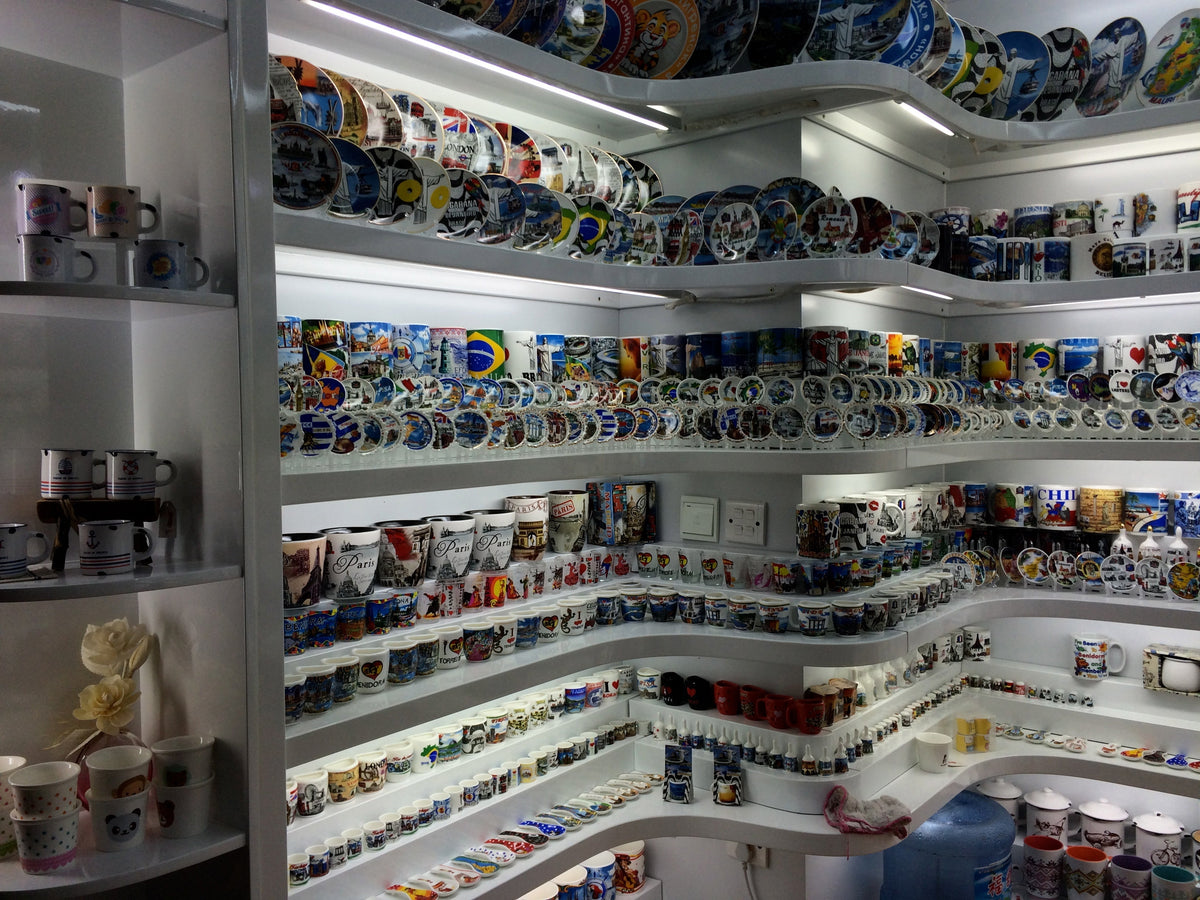
Chinvent editorial image
Turn a first Yiwu market visit into a usable supplier shortlist with category planning, comparison sheets, sample evaluation, landed-cost checks, and clear agent roles.
- Destination
- Yiwu
- Who it helps
- Buyer guide
- Focus
- Small-goods sourcing & supplier comparison
- Reading time
- 5 minutes
Cover photo: iamdanw / Wikimedia Commons. CC BY 2.0. Original photograph
Yiwu is a useful place to compare small consumer products, examine samples, and meet suppliers in person. The challenge is not finding things to buy. It is deciding which products fit your business and documenting enough detail to order the same quality again. This Chinvent guide focuses on turning market browsing into documented product and supplier comparisons.
A productive first visit starts with a shortlist of categories, a target customer, and a realistic buying budget. Arriving with only “find a winning product” as your brief makes it easy to spend days browsing without building a usable supply chain.
Understand what the market can offer

Yiwu International Trade Market contains multiple districts and many different product categories. Use the market operator's Chinagoods directory to identify relevant areas and current merchant information before traveling. Do not rely on an old five-district map as a complete guide to the current market.
A booth may belong to a manufacturer, a trading company, or another distributor. That distinction affects customization, production oversight, and communication, but it does not automatically tell you which supplier is the best fit. Ask who makes the goods, who sells them to you, and who handles export documentation.
Treat a platform listing or market presence as a starting point for verification, not a guarantee of product quality or order performance.
Prepare a buying brief
For each product category, record the intended customer, use, target retail price, planned quantity, and destination market. Add the specifications you cannot compromise on: dimensions, material, color, performance, packaging, and required documentation.
Bring photographs or reference samples when you have them. Describe what you need to reproduce and what you want to change. “Same as this” is often too vague when the original product's material or construction is unknown.
Decide whether you need ready stock, a repeatable standard item, or a customized product. These are different buying projects and may lead you to different suppliers.
Work through the market methodically
Focus on one category or connected area at a time. Ask permission before photographing products, and record the booth number, company name, contact, and item reference beside each image.
Use a consistent comparison sheet. For every serious candidate, collect:
- Product code and precise specification.
- Quoted currency and price at your intended quantity.
- Minimum order quantity, including color or design requirements.
- Ready-stock availability or production lead time.
- Sample cost and what the sample represents.
- Packaging details, carton dimensions, and gross weight.
- Customization options, extra charges, and reorder conditions.
- The selling entity and its proposed payment account.
Chinvent Sourcing Tip: Identical-looking products may differ in important ways. Compare their materials and construction before treating a price difference as a negotiation opportunity.
Use samples to reduce uncertainty
Buy or request samples from a manageable shortlist. Label each sample immediately so it can be matched to the supplier and quote later.
Evaluate the product for its intended use, not only its appearance. Check relevant dimensions, durability, finish, packaging, and any performance claim. Regulated categories may need testing by a qualified laboratory for your destination market; a supplier's generic certificate is not enough to settle that question.
If you approve a sample, record the version and keep a retained reference. Agree how bulk production will match it and what changes require your approval. A sample from current stock does not necessarily represent a future customized run.
Calculate the cost beyond the unit price
Include purchase cost, inland movement, consolidation, inspection, international freight, insurance where chosen, customs-related costs, and nonrecoverable taxes or fees. Ask a freight forwarder or customs professional for destination-specific estimates using the actual product and shipment details.
Bulky low-priced goods can become unattractive once shipping is included. Likewise, a mixed order from several stalls creates additional coordination and packing work. Compare total landed cost per saleable unit rather than only the cheapest quotation.
Ask whether the supplier can export directly or whether another company will act as exporter. Make the roles and documents clear before placing the order.
Using a sourcing agent
An agent can help with language, supplier communication, collection, and consolidation. Request a written scope: fees, commissions, payment handling, inspection work, and responsibility for mistakes.
Ask whether the agent receives supplier commissions and how conflicts are managed. Keep access to supplier and order information appropriate to your agreement. An agent's assistance is most useful when the process is transparent.
A suggested three-day first visit
Use the first day to compare products and build a shortlist. Use the second for samples, supplier questions, and more detailed quotations. Reserve the third for clarification, verification, and logistics discussions.
This is a suggested working structure, not a promise that a full order can be safely completed in three days. Continue testing and verification after the visit when needed.
Frequently asked questions
Can I buy small quantities?
Some suppliers may offer small stock orders, while others require larger or product-specific minimums. Ask each supplier at your intended mix of items and colors.
Are all stalls factories?
No. Confirm the seller's role and the actual production source instead of assuming market presence means manufacturing ownership.
Should I place a large order on my first day?
Complete product checks, supplier verification, and landed-cost planning first. A sample or controlled trial order is easier to evaluate than an immediate large commitment.
Explore more with Chinvent: Read How to Verify Suppliers in China before choosing an order partner, and How to Pay in China as a Foreigner for everyday expenses during the visit.
Keep exploring with Chinvent


Need a Custom Itinerary?
Build a route around your dates, interests and travel style.
Plan Your Trip →